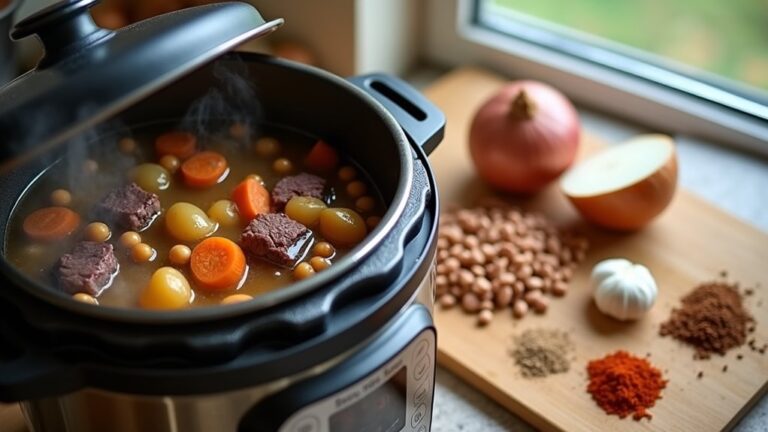
Pressure cooking locks steam in so food cooks faster and with less water. That preserves more vitamin C, many B vitamins, and minerals compared with long, wet cooking methods. Faster cooking also concentrates flavor and reduces nutrient loss from heat exposure. Different ingredients respond differently, so some nutrients hold up better than others. Simple practices like cutting vegetables uniformly and using minimal liquid help retain more nutrients and taste.
Is Pressure Cooking Healthy?
Yes, pressure cooking can be a healthy way to make food, especially provided you want to keep more of the good stuff inside. You cook faster, so your meals spend less time in heat and lose fewer nutrients than long boiling. That means you can still get solid flavor, better texture, and more value from vegetables, beans, and grains.
It also helps reduce some antinutrients, which can make protein easier to use for your body. To keep results strong, use the right pressure safety steps and check appliance maintenance often. Choose short cook times, use only a little liquid, and pour that broth into soups or sauces. For delicate greens, steaming works best. Whenever you handle it well, pressure cooking fits your routine.
How Pressure Cooking Preserves Nutrients
Whenever you pressure cook greens, you cut the cooking time way down, so more of their heat-sensitive nutrients stay in the food.
You also use less water contact, which helps keep vitamins like vitamin C from washing away. That’s why a quick pressure cook can leave your greens brighter, tastier, and better for you.
Shorter Cooking, Less Loss
Pressure cooking helps your food hold on to more of its good stuff because it cuts the cooking time way down. You get that speed from sealed steam that raises the boiling point, so your veggies and beans finish fast. That matters because shorter heat time usually means less vitamin loss and less leaching into water.
In trials, pressure-cooked cowpea pods kept more vitamin C than boiled ones, and they also held more beta-carotene. You can consider it like rapid blanching or microwave steaming, but with a steady, cozy pressure bath that works quickly. Even a three-minute cook can lower antinutrients while protecting protein quality.
Better Retention In Greens
Greens can keep a lot of their goodness too, and that’s where pressure cooking really shines. Whenever you cook tender greens for just 1 to 3 minutes, you help hold onto vitamin C, beta-carotene, iron, and calcium.
Because you use less water and a sealed pot, fewer nutrients leak away into the liquid. That matters with cruciferous greens, since pressure cooking can keep more glucosinolates than boiling.
Should you use a basket for pressure-steaming or do a zero-minute quick release, you still get bright color and tender bites with nice texture contrast. You also get stronger flavor concentration without watering things down.
Which Nutrients Are Most Sensitive?
What gets hurt most in a pressure cooker? You’ll usually see heat-labile vitamins take the biggest hit, especially vitamin C, which can drop fast in leafy greens and cowpea pods.
That’s why you should consider carotenoid stability too. β-carotene is tougher, but it still falls some, so your orange and green foods won’t stay exactly the same.
Water-soluble nutrients can also slip into the cooking liquid, so short cooking helps you keep more inside the food you eat with your crew.
Minerals like iron and calcium change less, yet they can still dip a little over time.
Fortunately, pressure cooking can also lower antinutrients, so your protein digestibility often improves. That means you get more from each shared bowl.
How Pressure Cooking Compares With Boiling
At the point you compare pressure cooking with boiling, the difference is mostly about time and how much food sits in hot water. You get a gentler nutrient story whenever you cook under pressure, because the food spends less time in nutrient leaching mechanisms. That’s why pressure vs. slow‑cooking matters here.
- Pressure cooking often keeps about 90% to 95% of nutrients.
- Boiling for longer can wash away more vitamin C and minerals.
- Iron and calcium stay higher after a short pressure cycle.
- Beta-carotene holds up better provided you don’t leave food simmering.
You can also feel good appreciating both methods can soften antinutrients, yet a short pressure cook usually protects more of what you want on your plate.
How Pressure Cooking Compares With Steaming
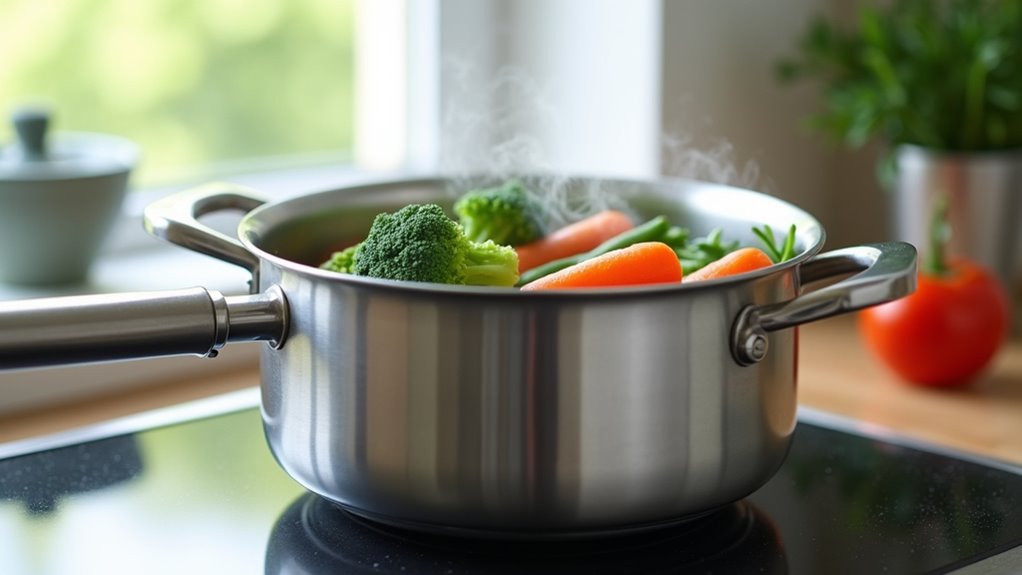
At the start you compare pressure cooking with steaming, you’ll see that both can protect nutrients better than boiling, but steaming often keeps more water-soluble and heat-sensitive vitamins in delicate greens.
Pressure cooking can still do very well whenever you want speed and solid nutrient retention, and it could even beat steaming for some foods like carrots.
For leafy greens, though, gentle steaming or a quick pressure-steam setup frequently gives you the best balance of bright texture and nutrient protection.
Nutrient Retention Differences
Steaming often wins for nutrient retention because it keeps vegetables out of the water and cuts down on nutrient loss, especially for vitamin C and glucosinolates.
Still, you can feel good about pressure cooking, since its short heat time often protects more than boiling and can fit busy family meals. It also supports fiber preservation and might limit enzyme activity that breaks down nutrients during longer cooking.
- Steam keeps more water-soluble nutrients.
- Pressure cooking can beat boiling considerably.
- Cruciferous greens still favor steaming.
- Using broth or sauce helps you keep leached nutrients.
Steam Versus Pressure Cooking
Comparing steaming and pressure cooking can feel a little tricky, but the main idea is simple: steaming usually protects more delicate nutrients because the food stays out of the water, while pressure cooking wins on speed and still does much better than boiling. You might picture it like this:
| Method | Nutrient Retention |
|---|---|
| Steaming | Best for vitamin C and glucosinolates |
| Pressure cooking | Better than boiling, but can lose more with longer heat |
With steam infusion, you keep food bright and tender, and flavor preservation often feels stronger too. In case you use minimal water, short pressure time, or a quick release, you can get closer to steaming’s benefits. That way, you remain in control and cook with confidence, not guesswork.
Best Uses For Greens
Greens can be a little fussy, but pressure cooking can still treat them kindly provided you’re allowed to use it the right way. For sturdy greens like kale, collards, and mustard, you’re permitted to use pressure cooking to save time and keep more nutrients than long boiling. Steaming still wins for the most glucosinolates, but a zero-minute quick-release method helps you stay close.
- Use a small water layer.
- Set greens in a steaming basket.
- Cut the cook time to 1 to 3 minutes.
- Pour the cooking liquid into soups or a salad pairing.
For spinach and other delicate leaves, quick steaming is likely to protect more vitamin C. Keep those storage tips in mind, too, so your greens start fresh and bright.
Best Foods for Pressure Cooking
Dried beans, hearty legumes, and tough cuts of meat are some of the best foods for pressure cooking because they turn tender fast without losing as much nutrition. You get real legume benefits here, since pressure cooking cuts antinutrients and can enhance protein use.
It also brings grain conversion to brown rice and whole grains, so your meals feel hearty without long waits. Root vegetables and carrots also do well, because they soften evenly and often keep more antioxidants than boiling.
Should you want food that fits your busy, caring kitchen, these choices work with you, not against you. For a good team meal, reach for foods that need time and moisture, then let the cooker do the heavy lifting, while you stay ready for dinner.
When Pressure Cooking Helps Most
Whenever time is tight and you still want a nourishing meal, pressure cooking can be your best ally.
Whenever you cook beans, lentils, and tough greens, the shorter heat time helps protect vitamins, minerals, and beta-carotene better than long boiling. It also cuts trypsin inhibitors and phytates, so your body can use protein more easily. For cruciferous greens, you keep more glucosinolates, which matters whenever you want food that works hard for you.
- Choose brief cook times
- Use just enough liquid
- Pick legumes for better digestibility
- Trust texture preservation and pressure flavor interaction
That way, your meals stay tender, bright, and satisfying.
Whenever you want comfort without losing much goodness, this method fits right in with your kitchen routine.
How to Keep More Nutrients
To keep more nutrients in your pressure-cooked meals, start with the clock, the water, and the finish. Choose the shortest safe time for each food, because long cooking pulls nutrients down faster than heat alone. Should you’re making beans or grains, pressure cooking can even help your body use more protein by lowering phytates and other blockers.
Next, use only a little water and a basket, so vitamins stay in the food instead of floating away. Whenever you need a quick-release, do it right away to cut extra heat time. Also, save the cooking liquid and stir it into soups, sauces, or gravies. With meal planning and smart pantry storage, you can build nourishing meals that feel easy, shared, and satisfying.
How to Pressure Cook Green Vegetables
Green vegetables are a great place to use pressure cooking whenever you want fast results and better nutrition. You’ll fit in with smart home cooks whenever you steam them right.
- Add 1/2 to 1 cup water.
- Set greens in a metal steaming basket.
- Pack them loosely for even steam.
- Use zero-minute or 1 to 3 minutes, then quick-release.
This short method helps you keep vitamin C, glucosinolates, β-carotene, and bright color.
In case you’re cooking delicate leaves, imagine it like a fast spa visit, not a soak.
After cooking, chill extras in cold packs so they stay crisp for later meals.
Should any liquid remains, stir it into soups or herb infusions to save nutrients.
Whenever you avoid overfilling and use quick release, your greens come out tender, lively, and ready for the table.
Common Pressure Cooking Myths
A lot of pressure cooking myths can sound scary at the outset, but the truth is much calmer.
You might hear safety myths that say your cooker is risky, yet it works through raising steam pressure, not through blasting food with extreme heat. That pressure helps food cook fast, and the temperatures stay near the boiling point of water, much like other kitchen methods.
You could also hear flavor misconceptions that everything turns bland or soggy. In reality, quick cooking can keep taste lively, and you can use the cooking liquid in soups or sauces to save flavor that moved into the pot.
Some nutrients do drop, especially vitamin C, but pressure cooking doesn’t destroy all nutrients. It often keeps more than long boiling does, while also softening antinutrients and helping protein digest better.
Bottom Line on Nutrient Retention
All things considered, pressure cooking comes out ahead whenever you care about keeping nutrients in your food. You get strong nutrient bioavailability because the heat stays brief, and less food sits in water long enough to leak away.
- You keep more vitamin C than with boiling.
- You protect beta-carotene better, too.
- You lower antinutrients, so protein use improves.
- You also enhance flavor preservation, which makes meals feel satisfying.
That matters whenever you want food that supports your body and still tastes like dinner, not homework. Provided you use minimal liquid and save the cooking broth, you can hold onto even more dissolved nutrients.
Frequently Asked Questions
Does Pressure Cooking Change Food Texture Significantly?
Yes, it can. You’ll notice a texture conversion as pressure cooking speeds cellular breakdown, making foods softer and sometimes mushier. But you can still join the crowd and keep firmer results by timing it carefully.
Can Pressure Cooking Improve Bean Digestibility?
Yes, you can improve bean digestibility through pressure cooking, because it enhances enzyme activation, encourages antinutrient reduction, supports protein bioavailability, and helps oligosaccharide breakdown, so you will feel more comfortable enjoying them together.
Does Pressure Cooking Reduce Cooking Odors?
Yes, you will usually notice fewer cooking odors because the cooker seals them in. That odor trapping can enhance aroma retention, so your kitchen feels cleaner while your meal still smells inviting when you open the lid.
Are Pressure Cookers Safe for Everyday Use?
Yes, you can use pressure cookers daily provided you follow pressure safety, check gasket maintenance, and follow the manual. You will cook confidently, save time, and feel like part of a smart kitchen routine.
Does Pressure Cooking Affect Flavor Intensity?
Yes, you will often taste bolder flavors, like steam trapping a simmering orchestra in a sealed pot. Pressure cooking enhances aroma concentration and volatile retention, so your meals can feel richer, deeper, and more comforting with less effort.