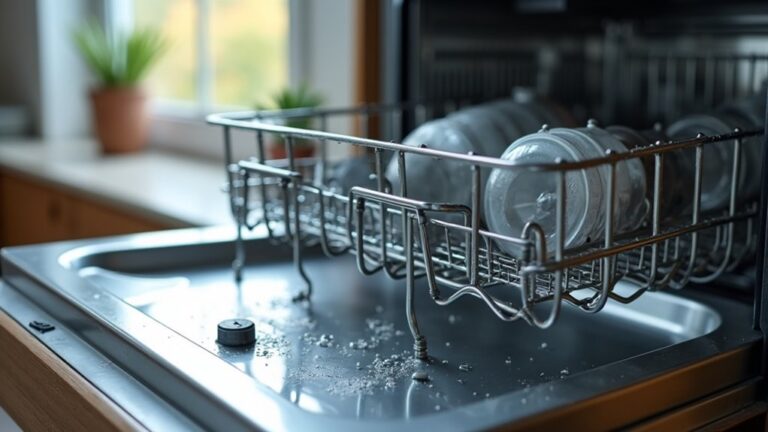
If you want your water softener to run efficiently in 2026, the salt you choose matters more than you may think.
You will see pellets, crystals, block salt, and even salt-free alternatives, each with different strengths for residue, rust control, and ease of use.
The best option for your system is not always the most obvious one, and a few details can change everything.




More Details on Our Top Picks
Morton Clean Protect Water Softener Salt Pellets 25 Lb
Morton Clean Protect Water Softener Salt Pellets are a practical choice for keeping your system running smoothly. The 25 lb bag is easy to carry, open, and pour, making softener refills simple. These pellets help clean the system as it works, remove hard water minerals, and reduce mineral buildup inside the softener. That support can help prevent deposits in pipes and appliances, improve efficiency, and may extend the life of your water heater and other equipment. They are also recommended by brands such as Kenmore, Morton, Northstar, and Ecopure.
- Product Type:Salt pellets
- Weight:25 lb
- Form:Pellets
- Water Treatment:Softens water
- Mineral Control:Reduces buildup
- System Use:Household systems
- Additional Feature:Easy carry bag
- Additional Feature:Easy open-pour
- Additional Feature:Manufacturer recommended
Morton Clean & Protect Water Softener Pellets with Rust Defense
When you battle rust stains, these pellets provide extra protection for your softener. Morton Clean & Protect Water Softener Pellets with Rust Defense come in premium 44 lb bags, and you can stock a full pallet of 56 bags for long-term use. Add them to your softener, and they dissolve quickly and consistently. They help reduce rust stains on sinks, tubs, and appliances, while also reducing scale in pipes and water-using equipment. That means your appliances run better, and your plumbing can last longer. Morton uses 99.65% sodium chloride, so you get reliable performance for home or commercial systems.
- Product Type:Salt pellets
- Weight:44 lb
- Form:Pellets
- Water Treatment:Softens water
- Mineral Control:Rust defense
- System Use:Residential/commercial
- Additional Feature:Rust stain defense
- Additional Feature:Premium 44 lb bags
- Additional Feature:Commercial use ready
Morton U26624S Pure AND Natural Water Softening Crystals 40-Pound,White
Need a dependable option for your softener? Morton U26624S Pure AND Natural Water Softening Crystals come in a 40-pound bag of loose, white crystals made from high-purity sodium chloride. They are suitable for use in all water softeners and help reduce hard water minerals in your heater and plumbing. That can mean fewer spots on dishes, fixtures, and appliances, plus better lather from soaps and detergents. Your laundry may also look brighter, feel softer, and clean more efficiently. Since Morton harvests these solar salt crystals naturally, you get a trusted, all-natural choice.
- Product Type:Softening crystals
- Weight:40 lb
- Form:Crystals
- Water Treatment:Softens water
- Mineral Control:Prevents buildup
- System Use:All softeners
- Additional Feature:Naturally harvested
- Additional Feature:All-natural crystals
- Additional Feature:Improves soap lather
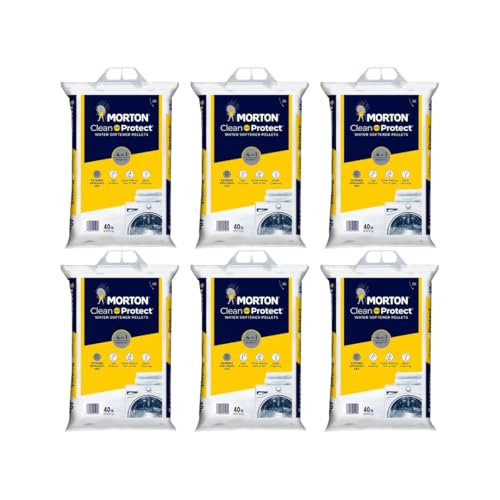
Clean & Protect Water Softening Pellets 40-Lbs.
Clean & Protect Water Softening Pellets are a smart bulk choice for homes and businesses that need consistent softening performance. Each pallet includes six 40-pound bags for a long-lasting supply. These pellets soften water efficiently by reducing calcium and magnesium, which helps prevent scale buildup. As a result, plumbing stays protected, appliances perform better, and water flows smoothly. The pellet form dissolves easily, delivering reliable results. Durable packaging also makes storage and transport simple, whether you manage a residential system or a commercial one.
- Product Type:Softening pellets
- Weight:40 lb
- Form:Pellets
- Water Treatment:Softens water
- Mineral Control:Removes minerals
- System Use:Residential/commercial
- Additional Feature:Sturdy packaging
- Additional Feature:Safe transportation
- Additional Feature:Simple storage
BWT SALTBLO Water Softener Block Salt White 8 kg Set of 2 Pieces
BWT SALTBLO block salt gives your softener a reliable, fast-dissolving brine. It uses white, food-grade salt made from pure dried vacuum salt, so it dissolves quickly and helps your system produce premium-quality brine. The 8 kg set includes two 4 kg blocks, and the easy-carry pack makes handling simpler. You can use it with all leading block-salt water softeners, and it meets BS EN 973:2009 for water treatment salt. As a BWT product, it offers a dependable option with no batteries or extras to worry about.
- Product Type:Block salt
- Weight:8 kg
- Form:Blocks
- Water Treatment:Softens water
- Mineral Control:Brine purity
- System Use:Block-salt softeners
- Additional Feature:Food-grade purity
- Additional Feature:BS EN 973:2009
- Additional Feature:Rapid dissolution
WaterBoss Salt-Free Whole House Descaler System (WB-WH-DSCLR)
For homes with moderate hardness, WaterBoss’s WB-WH-DSCLR offers a strong salt-free alternative to softeners. You can use it on city or well water to help control scale throughout your home without salt, chemicals, electricity, or backwashing. It does not soften water or remove minerals, but it helps reduce buildup in pipes and plumbing. It works best when hardness stays below 15 grains per gallon, alkalinity stays below 250 mg/L, pH stays below 8.3, and iron remains below 0.3 ppm. With a 600,000-gallon capacity, it is suited for larger households and helps maintain steady pressure.
- Product Type:Salt-free descaler
- Weight:Tank system
- Form:Tank unit
- Water Treatment:Descaling only
- Mineral Control:Scale control
- System Use:Whole-house system
- Additional Feature:Salt-free descaling
- Additional Feature:No electricity
- Additional Feature:Six-year filter life
Diamond Crystal 804017 Solar Naturals Water Softener Salt 50 Lbs
Diamond Crystal 804017 Solar Naturals Water Softener Salt is a reliable 50 pound solar salt option. It is an extra coarse solar salt made by Cargill Salt for water softeners, and the 50 pound bag helps reduce how often you need to refill. The product measures 21 x 14 x 5 inches, so you can plan storage easily. With no batteries or extra components, it keeps things simple. Available since May 20, 2008, it offers a durable, straightforward design that makes it a practical choice for your system.
- Product Type:Solar salt
- Weight:50 lb
- Form:Salt crystals
- Water Treatment:Softens water
- Mineral Control:Solar salt
- System Use:Water softeners
- Additional Feature:Extra coarse solar salt
- Additional Feature:Solar powered
- Additional Feature:2008 availability
Factors to Consider When Choosing Salt for a Water Softener
When you choose salt for your water softener, start by matching the salt type to your system and water conditions. Look for a high purity option, then decide whether pellets or crystals will dissolve at the right rate for your setup. You should also consider rust protection benefits, especially if you want extra protection for your plumbing and appliances.
Salt Type Selection
Choosing the right salt for your water softener starts with matching the salt form to your system’s design, since some units are built to handle pellets, crystals, block salt, or loose salt more efficiently than others. If your softener works best with pellets, you will get steady dissolving and dependable performance. If it accepts loose granular or crystal salt, solar salt or natural crystals can fit well. You can also choose block salt only if your unit is made for it. Higher purity sodium chloride, often labeled food grade or vacuum salt, usually dissolves more cleanly and can leave less residue in the brine tank. Salt free descalers use media instead, but they do not soften water or remove hardness minerals. Always check your manual before buying so you avoid poor fit and wasted salt.
Purity Level Matters
After you’ve matched the salt form to your softener, purity is the next thing to check. You want salt with sodium chloride levels at about 99.6% or higher because cleaner salt leaves less insoluble residue in the tank. That means fewer deposits, less chance of mineral buildup, and less time spent cleaning your system. Lower grade salt can shed more sediment, which can collect inside the softener and interfere with performance. Higher purity also helps the salt dissolve more consistently, so your unit regenerates more evenly and keeps your water conditioning steady. Over time, fewer contaminants can reduce clogging, scaling, and efficiency losses in your plumbing and appliances. Whenever you compare products, read the label closely and look for clear purity specs instead of picking based on package size alone.
Pellet Vs Crystal
Pellets and crystals both soften water, but they do it a little differently, so the choice usually comes down to how they dissolve and how they are processed. If you want a more uniform brine solution and steadier system performance, pellets are often the safer pick. They are compressed, so you get a consistent form that can help reduce mineral buildup and make maintenance easier. Crystals, by contrast, are loose, naturally harvested salt with high sodium chloride purity. You can use them in all water softeners, and they are a solid option if you prefer a simpler, more natural product. Either way, you are still doing the same basic job, keeping hard water from leaving scale in your plumbing and appliances.
Dissolution Speed
How quickly salt dissolves can make a real difference in how well your water softener keeps up. Choosing a faster dissolving salt helps the brine tank recharge more consistently, which supports steadier performance over time. Pellet and crystal salts can dissolve at different speeds, so look for a product labeled quick and consistent if you want reliable brine production. Efficient dissolution also means less undissolved residue left behind, which lowers the chance of disruptions during operation. If your system regenerates often, rapid dissolving salt can keep the salt level more stable and your softening cycles more predictable. In larger or heavily used softeners, slower salt can take too long to form brine.
Rust Defense Benefits
Rust defense salt can be a smart choice if you are dealing with iron in your water, since it helps reduce rust stains on sinks, tubs, and appliances by limiting iron-related residue in the softening process. You will also get cleaner plumbing and fixtures because the formula helps reduce the buildup that causes orange-brown discoloration. Look for products that address both rust stains and scale, since these two problems often occur together in water-using appliances. If your water has hard minerals plus iron deposits, rust defense benefits become even more useful, because they can slow visible staining and corrosion-related buildup. Over time, that control can support better appliance efficiency and help extend plumbing life by keeping mineral deposits in check.
Softener Compatibility
Once you’ve chosen a rust-defense formula, the next step is making sure it actually works with your softener. Check the salt form first. Some units need pellets, others use crystals or blocks, and the wrong format can cause poor regeneration or clogs. Then confirm the product is approved for water-treatment use and meets your system’s purity requirement. Higher-purity sodium chloride can help reduce residue and bridging. If your softener is actually a salt-free scale-control system, do not add conventional salt, because it uses different media and will not soften water in the usual way. Lastly, follow the manufacturer’s compatibility list and operating limits. Some models are for residential use only, while others handle both residential and commercial service.
Bag Size Options
Water softener salt comes in several bag sizes, so you can choose the option that fits your storage space and refill routine. You will find 25 lb, 40 lb, 44 lb, 50 lb, and 8 kg bags, plus bulk pallets for larger supply needs. If you want easier lifting, opening, and pouring, smaller 25 lb bags work well. For everyday household use, 40 lb bags often offer a practical balance between handling and fewer trips to restock. If you prefer to refill less often, 44 lb and 50 lb bags give you more salt per purchase. Bulk packaging can help if you are planning ahead and want to keep extra bags on hand. Choose the size that matches your routine, strength, and available storage space.
Scale Prevention Performance
When you’re choosing salt for scale prevention, look for a product that dissolves quickly and consistently so your softener can regenerate efficiently and keep scale in check. Fast, even dissolution helps your system recharge properly, which keeps calcium and magnesium from hardening into scale in pipes, plumbing, and appliances. You’ll also want higher purity sodium chloride, since it can leave less residue and reduce mineral buildup in the tank. Salt formulated to keep the brine system cleaner can support smoother operation and stronger scale control over time. For whole house protection, match the formulation to your water conditions. If hardness, alkalinity, iron, or TDS exceed your system’s limits, performance can slip. Choose carefully, and you’ll help your softener work at its best.
Frequently Asked Questions
Can Water Softener Salt Expire or Lose Effectiveness Over Time?
Water softener salt does not really expire, but moisture, dirt, or caking can reduce its effectiveness. Store it in a dry, sealed container, and replace any bags that have been compromised.
Is There a Best Salt Type for Well Water Specifically?
Yes. If you have well water, you will usually do best with high-purity solar or evaporated salt pellets. They can help reduce iron-related buildup, support steadier regeneration, and keep the brine tank cleaner than rock salt.
How Often Should I Refill My Softener With Salt?
You’ll typically refill it every 4 to 8 weeks, though the exact timing depends on how much water you use and your softener’s size. Check the salt level each month, and add more when it falls below one-third full so the system does not run dry.
Can Mixing Different Salt Types Damage My System?
Mixing different salt types usually will not damage your system, but it can cause bridging, more residue, and inconsistent regeneration. Your softener will usually perform better if you stick with one clean, high-purity salt type.
Does Salt Quality Affect Regeneration Cycle Efficiency?
Yes. Poor quality salt can gum up your softener like sludge in a drain, forcing longer, less efficient regenerations. You will get cleaner cycles and better resin performance once you use purer salt that dissolves evenly.